Tag Archives: Webster museum

May History Bit: Historic Preservation Month

4 May

May is a pretty neat month. After a cold, gray winter, we’re finally getting some warm temperatures, sunshine and flowers. But May is particularly special for the folks at the Webster Museum, who are commemorating National Historic Preservation Month, a time to swap out old exhibits for new, and to offer some special programs.

During Historic Preservation Month, the museum honors Webster’s architectural legacy and the oral traditions that illuminate our shared past. A highlight of this month is the presentation of commemorative plaques, recognizing excellence in the preservation of historic residences, outbuildings, and public landmarks.

The plaque program grew out of a survey of historic properties which a small group of museum volunteers tackled more than 20 years ago. They were especially looking for homes built before 1902 which answered the question, “Would the original owners recognize the property?” In the years since the program began, the museum has presented more than 80 plaques to the Webster properties which have maintained their historical integrity. They’re kind of a thank you from the Town of Webster and the Webster Museum for maintaining the integrity of the property.

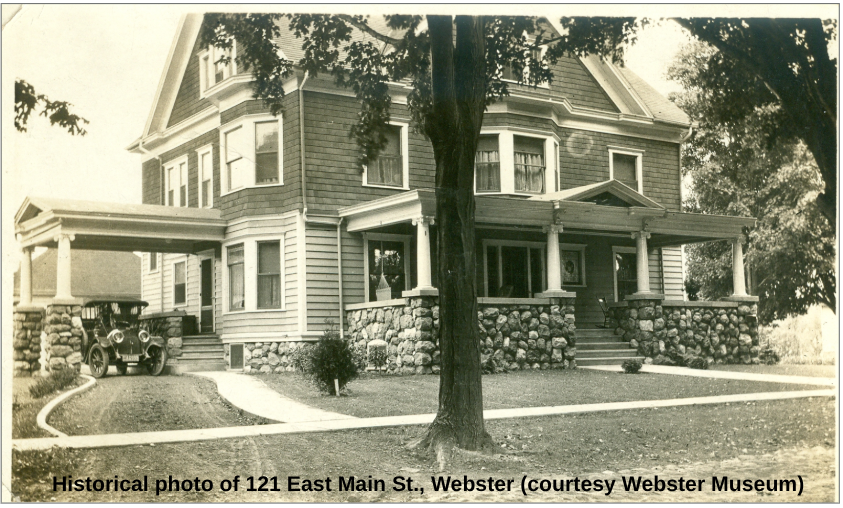
Later this month, the museum’s Historic Properties Committee will present this year’s plaque to the home at 121 East Main St. in the Village of Webster (at the corner of Dunning). The majestic American Foursquare-style home was built in 1913 by Dr. William Stanton, and several reminders of his early practice can still be seen inside, including the waiting room, operating room and the basement laboratory. For the past three generations, the Swingly family has lived in the home and maintained its original character. They recently decided to sell the architectural gem, however, which will now be cared for by its new owners, Cory and Christy Boyer.

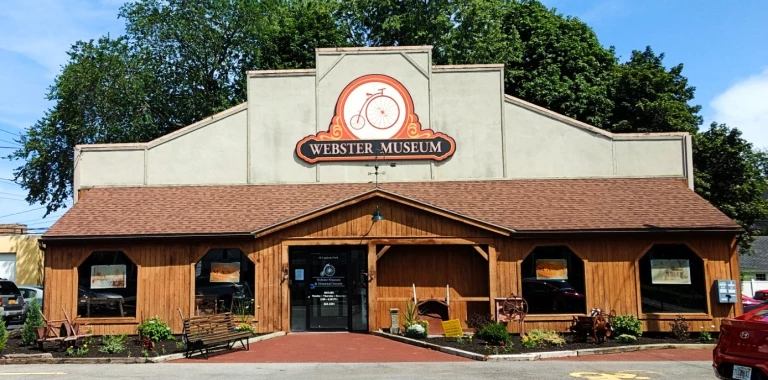
So this month, take the scenic route. As you travel through our town and village, take a moment to notice the historic landmarks that define our everyday landscape. And if you’d really like to learn more about Webster’s fascinating history, stop by the Webster Museum. It’s located at 18 Lapham Park in the Village of Webster. It’s open every Tuesday, Thursday and Saturday from 2 to 4:30 p.m.

* * *

email me  at missyblog@gmail.com“Like” this blog on Facebook and follow me on Instagram and Threads (@missyblog)

You can also get email notifications every time I post a new blog by using the “Subscribe” link on the right side of this page (or all the way at the bottom of the page if you’re on your phone).

(posted 5/4/2026)

Webster community mailbag

3 May

There’s so much mailbag stuff coming through my email these days, I really should consider doing these more often …

Our first mailbag nugget this week is an interesting look at Webster history, sponsored by the Webster Museum this Wednesday, May 6. It’s the first in their three-part History and a Cup series, taking place all this month as part of National Historical Preservation Month.

  • On Wednesday from noon to 1 p.m., Webster native (and former Village Mayor) Jake Swingly will talk about growing up in the village. He’ll also very likely tell you more about his beautiful home on East Main St., where his family has lived for three generations and which will be honored later this month with a historic plaque. (You can read more about that in tomorrow’s blog.)
  • On Tuesday, May 12, also at noon, Webster attorney Dave Corretore and his mother, Carolyn Corretore (retired Lucas Pharmacy pharmacist), will speak.
  • The final installment of the History and a Cup series will be Wednesday, May 20, and the speaker then is a surprise.

During these history chats, museum volunteers set up small tables, each with a plate of cookies, water and coffee. Attendees are welcome to bring a sandwich and eat lunch during the talks. The museum is located at 18 Lapham Park in the Village of Webster.

Craft Sale!

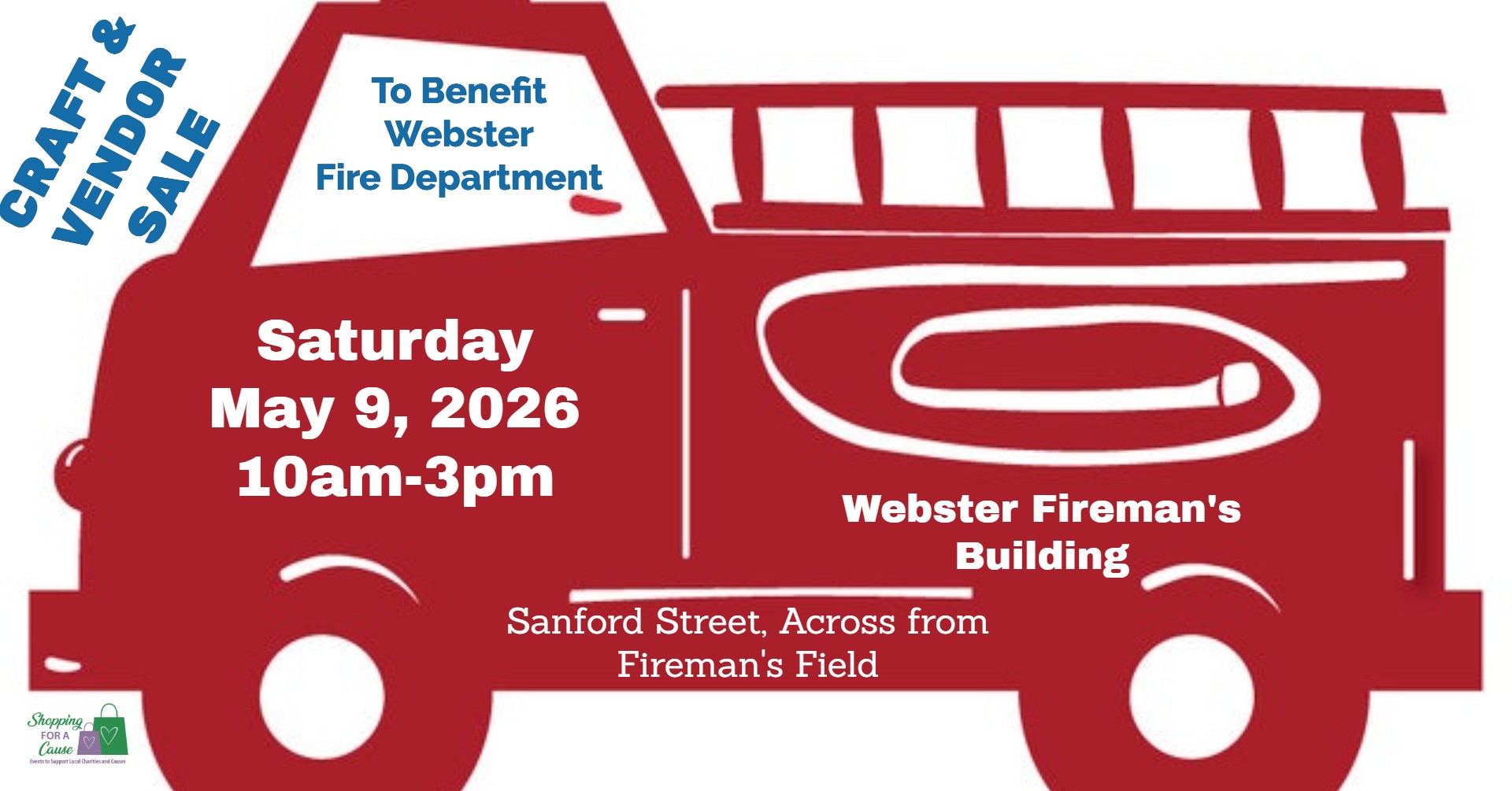
Our Village of Webster Fire Department will be holding a Craft and Vendor Sale this Saturday, May 9 from 10 a.m. to 3 p.m. at the Webster Fireman’s Building on Sanford St., across from the south side of Fireman’s Field. All proceeds will benefit the WVFD.

From the library

Here are a few events especially for seniors at the Webster Public Library:

  • A Matter of Balance workshop series begins on Tuesday, May 5. The seven-part series is a combination of group discussion and movement designed to help older adults reduce their fear of falling, increase confidence levels and increase physical activity. Classes will be held May 5, 19 and 26, and June 2, 9, 16 and 23. Please register here for each class you plan to attend.
  • Rochester Oratorio Society’s Harlem Renaissance Revisited, Saturday, May 9 from 1 to 3 p.m. The Resonanz Ensemble of the Rochester Oratorio Society looks back a century and more to the Rochester region’s Golden Era, the 1920s and 30s, through a narrative program of solo vocal and choral music. Registration is required.
  • Lifespan’s “Together Today” Memory Cafe will be at the library on Wednesday, May 27 from noon to 2 p.m. Caregivers and their partners living with dementia are invited to attend for lunch, socializing and entertainment from local musician Chip Milligan. This is a FREE event is but registration is required.

Find out more about these events and other events and resources for seniors by subscribing to the library’s new Senior Newsletter. You’ll find the sign-up link here.

Here’s a quick look at what else is going on at the Webster Public Library this month:

  • This month’s community exchange is mugs! Check those cabinets for ones you never use and swap them for something new to you.
  • The community Donation Station in May will be collecting new toothbrushes and toothpaste. The Webster Food Insecurity Coalition will distribute donations to Webster families in need.
  • The Friends of the Public Library have scheduled a Vintage Book Sale for Saturday, May 30 from 10 a.m. to 1 p.m. It will feature more than 200 fiction and non-fiction books, published between the 19th century and the early 21st century. Some titles include first editions, early printings, and books that appear to have been signed by the author. Many include dust jackets and nearly all books are in good or better condition. Prices start at $8 and prices are firm. All proceeds will benefit the Webster Public Library.
  • Saturday May 9 is Love Your Library Day. Celebrate your love for the WPL with crafts, a scavenger hunt, temporary tattoos, face painting, snacks, and a storytime at 10:30 a.m., featuring some special Webster High School guests.
  • Mike O’Brian, the “Getaway Guy,” will present a talk on Spring and Summer Getaways on Monday, May 18 from 6:30 to 7:30 p.m. Registration is required.
  • This month’s Make it Monday for teens and tweens is Glass Magnet Buggles, on Monday May 11 from 6 to 7 p.m. Grades 4 through 12 and adults are welcome. Register here.
  • Outdoor storytimes have ramped up for the summer! They take place at Ridge Park, 1000 Ridge Rd., every Wednesday from May 20 through Sept. 9, from 9:30 to 10 a.m. All ages are welcome.

Get some flowers for Mom!

The Webster Arboretum Association’s Spring Plant Sale is back, scheduled for Saturday, May 9 from 8 a.m. to noon.

This sale is just blooming with beautiful, healthy live plants which are grown by local garden clubs and local commercial growers in local soil, so they’re going to grow in your garden, too. Garden Club members will also share their favorite plants from their own gardens. This is the perfect opportunity to grab a Mother’s Day gift. The Webster Arboretum is located at 1700 Schlegel Rd.

Also, next week, on Tuesday May 12, the Arboretum will present a program on Companion Planting, from 7 to 8:30 p.m. Companion planting is a gardening practice where plants are grown together for mutual benefit, such as deterring pests, attracting beneficial insects, improving soil health, and maximizing space. There’s no charge, but please click here to register for this event.

The Webster Arboretum is located at 1700 Schlegel Rd.

Meet the Supervisor

Supervisor Scialdone is continuing to host regular Community Office Hours, opportunities to let your Town representatives know what’s important to you.

The next office hours are:

  • Monday, May 11, 5:30 to 6:30 p.m., Webster Town Board Room (1002 Ridge Road)
  • Tuesday, May 26, 5:30 to 6:30 p.m., Webster Public Library (980 Ridge Road)

Note that there is no formal presentation at these events. It’s just your chance to hang out with the Supervisor, ask your questions and present your concerns. You don’t have to register; just show up.

Get your tickets now for the Wine Walk

The next Village of Webster Wine Walk is scheduled for Saturday, May 16 from 4 to 7 p.m. I will very likely be writing up another blog about this fun event in the next several days, but in the meantime, if you’d like more details, click here. If you already know that you definitely want to attend get your tickets soon because the Wine Walks always sell out.

Dinner and a vote

If you’re planning to come out to Webster Schroeder on Tuesday, May 19 for the WCSD budget vote (and you definitely should), don’t worry about grabbing dinner, because the Webster Marching Band has got you covered.

The band will be hosting their annual BBQ dinner fundraiser on Tuesday, May 19 at Webster Schroeder High School, where the vote will be taking place. Dinners will include chicken, coleslaw, potato salad, a roll and water, and will be provided by Chiavetta’s.

Tickets are $15, and you’ll want to order your ahead to guarantee your meal, since only a limited number will be available on a first-come, first-served basis for anyone who did not reserve ahead of time. Click here to get your tickets.

More good food for a great cause

The Webster Comfort Care Home will be the beneficiary of the Webster Masonic Temple’s monthly spaghetti dinner fundraiser on Friday, June 5 from 5 to 7 p.m.

Enjoy a full meal including: salad, bread, spaghetti with your choice of sauce, meatballs, ice cream, a cookie, and a drink (bottled water, tea, and coffee). Cost is $12 for adults and $6 for children and can be purchased in advance (click here) or at the door. While you’re there, check out the bake sale and raffles, all to benefit the Comfort Care Home.

The Webster Masons hold a spaghetti dinner on the first Friday of every month from October through June and each benefits a Webster charity or not-for-profit organization.

ALSO from the Webster Comfort Care Home, the community is invited to their new “Yoga in the Yard” classes, which will be held on Sundays June 7, July 12 and August 16 from 9 to 10 a.m. Registration is not necessary, and there’s no charge for these sessions, but donations would be gratefully accepted.

The Webster Comfort Care Home is located at 700 Holt Rd.

Happy news from the Chamber

Finally, this bit of happy news from the Webster Chamber of Commerce:

At the Webster Chamber of Commerce’s April Monthly Meeting, Community Bank, N.A. generously donated $3,500 to help fund the Webster Community Chest’s Meal Center. The Meal Center provides recipe-based meals to our neighbors suffering from food insecurity. This is much needed as demand has increased to more than two times the 2025 levels. Pictured (L-R) are Michael Grenier, Ginny Nguyen, Bob Fenton and Ryan Johnson.

* * *

(posted 5/3/2026)

email me  at missyblog@gmail.com“Like” this blog on Facebook and follow me on Instagram and Threads (@missyblog)

You can also get email notifications every time I post a new blog by using the “Subscribe” link on the right side of this page (or all the way at the bottom of the page if you’re on your phone).

The doctor will see you now — at the Webster Museum

16 Apr

If you’re interested in hearing more about the history of medicine in Webster, you’ll want to attend a fascinating talk this Sunday afternoon, April 19, at the Webster Museum.

The talk, which begins at 2 p.m., will be presented by Dr. Colin Scott, a retired medical practitioner and museum volunteer, who has been conducting extensive research into medical practices throughout history. On Sunday he’ll share some of that research, including stories of the lives of local doctors, nurses, and patients over the years, focusing especially on the 1800s.

Dr. Scott will begin his talk by tracing the development of North Penfield and Webster, using three Webster physicians as guides: Dr. Oliver Reynolds, Dr. John Dunning and Dr. Charles Reitz. You’ll hear about the Pultneyville skirmish and how Webster was on the front lines in the War of 1812; about the Reynolds’ Corner Building and its focus on patent medicine production and distribution; about Dr. Oliver Reynolds’ medical practice, and how he was removed by the Monroe County Medical Society because of his patent medicine business; about Dr. John Dunning and his drive to improve the educational facilities in Webster and surrounds; and how Dr. Reitz provided a kind of bridge between the 19th and 20th centuries.

Throughout this tale, Dr. Scott will trace the evolution of 19th-century medicine, illustrating the era’s pivotal shifts with a curated slideshow and an exhibit of authentic medical instruments.

The presentation will begin at 2 p.m. No registration is necessary. Refreshments will be served. The Webster Museum is located at 18 Lapham Park, in the Village of Webster.

* * *

(posted 4/16/2026)

email me  at missyblog@gmail.com“Like” this blog on Facebook and follow me on Instagram and Threads (@missyblog)

You can also get email notifications every time I post a new blog by using the “Subscribe” link on the right side of this page (or all the way at the bottom of the page if you’re on your phone).

Easter fun at the museum

1 Apr

Elementary school-aged children are invited to get into the Easter spirit at the Webster Museum on Saturday, April 4. Mrs. Nesbitt, a retired Webster elementary school teacher, will lead a craft and a discussion about basket history, followed by a look at the Webster Museum’s Webster Basket Factory display. The activity will culminate with an Easter Egg hunt through the museum.

The event takes place this Saturday April 4 from 2:30 to 3:30 p.m. at the museum, 18 Lapham Park. Parents must remain in the museum during the activities. Please, please, please register here, and do so soon, because there’s only room for 20 children, so you’ll want to ensure your kids have a spot.

The medical time-traveler’s guide to Webster

On Saturday, April 19 at 2 p.m., the Webster Museum will present a fascinating talk about the history of medicine in Webster.

Webster Museum volunteer and local historian Dr. Colin Scott will talk about historic medical devices and the lives of Webster practitioners in the 19th century.

Step into a 19th-century time machine and rediscover a forgotten global empire. Witness the raw evolution of Webster from untamed woodlands to an international agricultural Mecca, told through the gripping lives and changing medicine of three legendary local physicians. Join us to uncover how the fame of Webster fueled the world and paved the way for the suburb we call home today.

No registration is necessary. Refreshments will be served.

Look for the Museum!

Make sure to stop by the Webster Museum’s table at this year’s Community Arts Day. coming up on Saturday, April 11 (look for more details about this event in a few days). They’ve always got a fun table filled with old-tyme games and historical oddities (like a dial telephone). It’s a delight for the children and entertaining to watch them try to figure out how to work the telephone.

Community Arts Day will run from 10 a.m. to 4 p.m. at Webster Schroeder High School.

* * *

(posted 4/1/2026)

email me  at missyblog@gmail.com“Like” this blog on Facebook and follow me on Instagram and Threads (@missyblog)

You can also get email notifications every time I post a new blog by using the “Subscribe” link on the right side of this page (or all the way at the bottom of the page if you’re on your phone).

Webster Museum talk presents a journey through the history of quilting

18 Mar

The Webster Museum cordially invites everyone to a presentation by local quilt historian Beth Davis on Sunday, March 22 at 2 p.m.

Beth has worked at The Genesee Country Village Museum and until recently was an American Quilter Society Certified Appraiser of Quilted Textiles. She is retired from both, preferring now to focus on her love of quilt making. She excels at both documenting oral history (having contributed to Quilters Save Our Stories, the largest oral history collection about quilt makers in the world) and documenting in written form (having written the GCVM catalog on their quilt collection). Beth is also the author of A Stitch in Time: Quilts From Genesee Country Village and Museum.

Beth will talk about the history of quilting and its many variations and applications. Time will be provided after the presentation to view the quilts displayed in exhibit areas throughout the museum.

The presentation is scheduled for Sunday, March 22 at 2 p.m. at the museum, 18 Lapham Park in the Village of Webster. There’s no cost to attend this program, but registration is required, and the seats are filling up quickly. Visit webstermuseum.org, and you’ll be directed to where you can sign up. Limit two people per registration.

Here’s a bit more about the museum’s current exhibit of quilts, which they call “Stitched Stories: a Celebration of Vintage Quilts”:

At the heart of the new exhibit are more than 20 handcrafted quilts. Visitors are invited to step back in time and explore the beauty, skill, and storytelling woven into quilts from the 19th and early 20th centuries, which showcase a wide variety of designs and techniques, each a reflection of the maker’s artistry and resourcefulness.

Far more than practical bedcovers, these quilts served as visual diaries of family life and community connections. Patterns such as “Courthouse Steps,” “Crazy Quilt,” and “Redwork” reveal regional traditions and changing fashions in both fabrics and colors. Some pieces were stitched from scraps of worn clothing, while others feature intricate embroidery or appliqué work that turned everyday materials into works of art.

“Stitched Stories” runs until June, inviting guests to experience how creativity and community have long been interlaced through needle and thread.

* * *

(posted 3/18/2026)

email me  at missyblog@gmail.com“Like” this blog on Facebook and follow me on Instagram and Threads (@missyblog)

You can also get email notifications every time I post a new blog by using the “Subscribe” link on the right side of this page (or all the way at the bottom of the page if you’re on your phone).

Don’t like the cold? Be thankful you don’t have to move the outhouse.

13 Mar

Tuesday evening, my Village Runners friends and I ran in shorts. Three days later, it’s snowing.

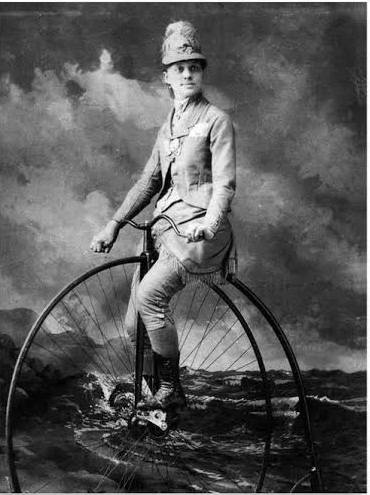
This (almost) spring’s topsy-turvy weather made me think of a very interesting article I read in the most recent Penny Farthing newsletter created by the volunteers at the Webster Museum. Titled “Plow, Plant, Harvest, and Hearth,” it took a closer look at what life was like in early Webster in each of the four seasons. I repost that article here for your enjoyment:

Plow, Plant, Harvest, and Hearth — Life in Early Webster Through the Four Seasons

Winter found older kids in school, people reading, making ice cream, maybe having a bath, eating the “put up” foods, and women and girls sewing, mending, knitting and quilting. Men and boys were busy repairing equipment and caring for the animals. Everyone was looking through the Sears Catalog and thinking about Christmas. Winter was a time of sickness and if a doctor was not available, the women knew what herbs to use.

Spring brought longer days, fresh greens, grass for the animals, maple syrup, sheep shearing, barn and house cleaning, and maybe move the outhouse if the pit was getting full. Crops were planted in freshly prepared fields and boys were out of school to work on the farm.

Summer brought soap making, laundry drying outside, smaller kids in school, swimming if a pond or creek was nearby, 4th of July celebrations, neighborhood gatherings and picnics. Much of the work was maintaining fields, gardens, and fruit trees. Also making butter and mending fences.

Fall found farm families butchering and preserving meat in salt or drying for winter. Wheat and oats were harvested for the animals or sold, and fruit and vegetables were picked and dried or “put up.” Pumpkins were preserved as they were high in Vitamin C. Barns were prepared and houses were cleaned and made ready for winter.

Some things haven’t changed. Winter is still a time of sickness, and I still like to hang my laundry outside and gather with neighbors and friends. But I am glad we no longer have to churn our own butter, thank you.

This article was just one of several very interesting historical tidbits in the spring edition of the Penny Farthing. They come out quarterly, and if you like learning about Webster’s fascinating history, you should subscribe. If you’d like to be added to the distribution list, email WebsterMuseum@gmail.com. If you’d like to see this month’s edition, click here, and to see past editions, click here.

* * *

(posted 3/13/2026)

email me  at missyblog@gmail.com“Like” this blog on Facebook and follow me on Instagram and Threads (@missyblog)

You can also get email notifications every time I post a new blog by using the “Subscribe” link on the right side of this page (or all the way at the bottom of the page if you’re on your phone).

February History Bit: The Blue Line Trolley

14 Feb

In the early 1900s, before automobiles became commonplace and horse-drawn wagons just weren’t considered fast enough anymore to travel long distances, Webster residents had another option: the “Blue Line” trolley.

The trolley was part of the Rochester and Sodus Bay Railroad Company, which was incorporated in August, 1898. It was nicknamed the “Blue Line” because the cars were all painted a deep, distinctive royal blue. The section that ran through Webster was built in 1900, taking passengers on a rather circuitous route through the town, especially where it climbed the east bank of Irondequoit Bay. When it reached the top of the hill, along what is now Rt. 104, it crossed the highway south of Dayton’s Corners and Plank Rd., continued to Creek St. and Bay Rd., then to Glen Edith. From there, the line headed east through West Webster, the Village of Webster, Union Hill, Fruitland, Ontario Center and beyond.

In the villages along the route, tracks were laid through the main streets; in the Village of Webster, the trolley stopped at 28 East Main St., where Root Rituals Salon is now. At smaller stations, the trolley would only stop if there were passengers to embark or disembark. In pleasant weather, riders could wait along the tracks and watch for the trolley to approach, but in inclement weather, catching the trolley was a bit more challenging. Then, passengers would have to wait inside a small ticket booth and watch for it to arrive. If they didn’t get outside quickly enough, the trolley would pass by without picking them up.

One of these original ticket booths still stands on Bay Rd. near Avalon Trail. It’s believed that the Avalon Trolley Stop could be one of the line’s historic “porthole” stops. Passengers peeked out through a window and were instructed to light a “torch” made of rolled-up newspaper to signal the approaching trolley. Unsurprisingly, this method was eventually deemed a fire hazard for both the passengers and the wooden shelters, and eventually an electric light was installed on the building to signal the trolley driver.

When the line first operated, trolleys ran on an hourly schedule from Rochester to Sodus Point and back between 6 a.m and 9 p.m., along 47 miles of track. A normal run took two hours and 19 minutes, and tickets cost $1.32. During the spring months, the Blue Line was often referred to as the Apple Blossom Special; for a reduced rate — just 75 cents — passengers could take a ride along Ridge Road to see and smell the apple blossoms.

In 1920 the automobile began taking business away from the trolley, and business fell off considerably through the later part of the decade. The Blue Line made its last run on June 27, 1929. Esther Dunn described that run in her book Webster … Through the Years: “On that day, William ‘Yank’ Gloor, Sodus Bay line’s most popular motorman who ran the first regular car to Sodus Point from Rochester, had the distinction of piloting the last car to leave the Point for Rochester. On this last trip, car number 111 carried a banner on front which read, ‘My Last Run — Goodbye Folks.'”

You can read more about the Blue Line Trolley at the Webster Museum, where the volunteers there have created a very informative display right inside the front door. So stop by and check it out for yourself. The museum is located at 18 Lapham Park in the Village of Webster, and is open from 2 to 4:30 p.m. every Tuesday, Thursday and Saturday.

Thank you to Webster Town Historian Lynn Barton and several other museum volunteers for helping me pull together this information.

* * *

(posted 2/14/2026)

email me  at missyblog@gmail.com“Like” this blog on Facebook and follow me on Instagram and Threads (@missyblog)

You can also get email notifications every time I post a new blog by using the “Subscribe” link on the right side of this page (or all the way at the bottom of the page if you’re on your phone).

New museum program pairs story time with history

29 Jan

The Webster Museum is introducing a brand new program in February, designed to help history come alive in a fun way for elementary-aged students.

It’s called “Story Time at the Museum,” and the first one is scheduled for Saturday, Feb. 7 at 2:30 p.m. This month’s theme is Valentine’s Day. Children will share a story, learn about the history of this special day, examine some antique Valentines and make their own Valentine greetings.

The Valentine’s Day-themed story time is just the first in what organizers are hoping will be a regular first-Saturday-of-the-month event, each month pairing delightful stories with interesting historical lessons. On March 7, the story time program will be all about quilts and quilting, and highlight the museum’s current display of historical quilts.

There’s no charge to attend and all ages are welcome. The Webster Museum is located at 18 Lapham Park in the Village of Webster.

* * *

email me  at missyblog@gmail.com“Like” this blog on Facebook and follow me on Instagram and Threads (@missyblog)

You can also get email notifications every time I post a new blog by using the “Subscribe” link on the right side of this page (or all the way at the bottom of the page if you’re on your phone).

(posted 1/29/2026)

A quilt-lover’s paradise at the museum

20 Jan

The Webster Museum’s annual Quilt Exhibit — called “Stitched Stories” — has returned, and if you love anything and everything about quilting you’re not going to want to miss it.

Stitched Stories offers an illustrated journey through Webster’s history, told through the evolving designs, colors, fabrics and intricate patterns of heirloom quilts. Over the years, the museum has been the fortunate recipient of many vintage quilts. Most are documented in detailed binders that include their history, the artisans who created them, and, in many instances, their appraised value. These textile treasures capture decades of Webster history in their stitches.

More than 20 quilts of different sizes have been placed on display throughout the museum, from doll-sized mini-quilts, to a small cot quilt, to a full-sized courthouse steps quilt. They hang in exhibit cases, decorate the vintage parlor and bedroom, and adorn walls and railings. With some pieces dating back over 170 years, each stands as a testament to months of patient needlework and intricate craftsmanship.

I stopped by the museum on Tuesday afternoon to see the exhibit for myself, and discovered how LITTLE I know about the history of quilting. For example, there are so many different designs, popular during various times — like the wedding ring design, flying goose quilt, nine-patch quilt, crazy quilt and the “beginner friendly” courthouse steps design. (I did not consider that anywhere near beginner friendly myself.)

Some of the history was very interesting. The tiny doll quilts, for example, were popular from the late 1800s to the mid-1900s, often made by young girls just learning to sew. Cot quilts, used on a small bed or cot, were just the right size for a soldier in the Civil War to tuck into his backpack. The album panel quilt, crafted by Minerva Green Woodhull, has writing on it by her father-in-law, Byron Woodhull, who was Webster’s first supervisor. And I particularly liked the Webster Bicentennial heritage quilt, depicting a Webster map and squares representing historical highlights, made in 1976 by members of the Webster Quilt Guild.

An informative binder near the museum’s front entrance provides some background about each of the quilts on display. There’s even more information about each in the museum’s library, if you’re interested. Just ask one of the volunteers about that.

The Webster Museum is located at 18 Lapham Park, in the Village of Webster. They’re open Tuesday, Thursday and Saturday from 2 to 4:30 p.m.

* * *

email me  at missyblog@gmail.com“Like” this blog on Facebook and follow me on Instagram and Threads (@missyblog)

You can also get email notifications every time I post a new blog by using the “Subscribe” link on the right side of this page (or all the way at the bottom of the page if you’re on your phone).

(posted 1/20/2026)

January History Bit: What IS this thing?

14 Jan

You never know what curious artifact you might discover when you wander through the Webster Museum. Case in point, this funny-looking, heavy glass, jar-like thing. Believe it or not, it’s actually a mouse trap, on display among many other farm and home gadgets that were instrumental to the lives of Webster residents a century ago.

The trap is about 6 inches long, with one open and one closed end. It has such an unusual shape and is so unlike anything we’re familiar with, that visitors are naturally drawn to examine it more closely and find out exactly what it’s all about. Fortunately, its history is thoroughly explained in a very helpful magazine article posted with the trap.

According to the article, it was patented in 1918 by Nute Wigginton of Winchester, Virginia, who dubbed it a “Mouse Exterminator.” Apparently, farmers at that time commonly used strychnine-coated oats and wheat to poison mice in their orchards and vineyards. But if the bait was exposed to the weather, it would be spoiled by the first rain shower that came through. It was a real problem, especially since a single mouse could destroy as many as ten or more fruit trees in one winter by gnawing on the bark at the base of the tree.

Wigginton came up with a brilliant solution. He designed his exterminator so that a tablespoon of poisoned bait could be inserted from the top. Then, when placed on the ground with the hump up, rain couldn’t get in. But a mouse could easily climb inside and eat the bait, and because the strychnine worked so fast, the mouse never got back out.

This particular Mouse Exterminator was found in the orchard of Drake Farm, which was located just west of Bay Rd., at the Webster/Penfield border. Unfortunately, the date it was found is unknown, but that doesn’t diminish the fascinating history behind it.

Stop by the Webster Museum yourself to see what other curious finds you might discover. The museum is located at 18 Lapham Park in the village, and is open every Tuesday, Thursday and Saturday from 2 to 4:30 p.m. There’s no admission charge. 

* * *

email me  at missyblog@gmail.com“Like” this blog on Facebook and follow me on Instagram and Threads (@missyblog)

You can also get email notifications every time I post a new blog by using the “Subscribe” link on the right side of this page (or all the way at the bottom of the page if you’re on your phone).

(posted 1/14/2026)