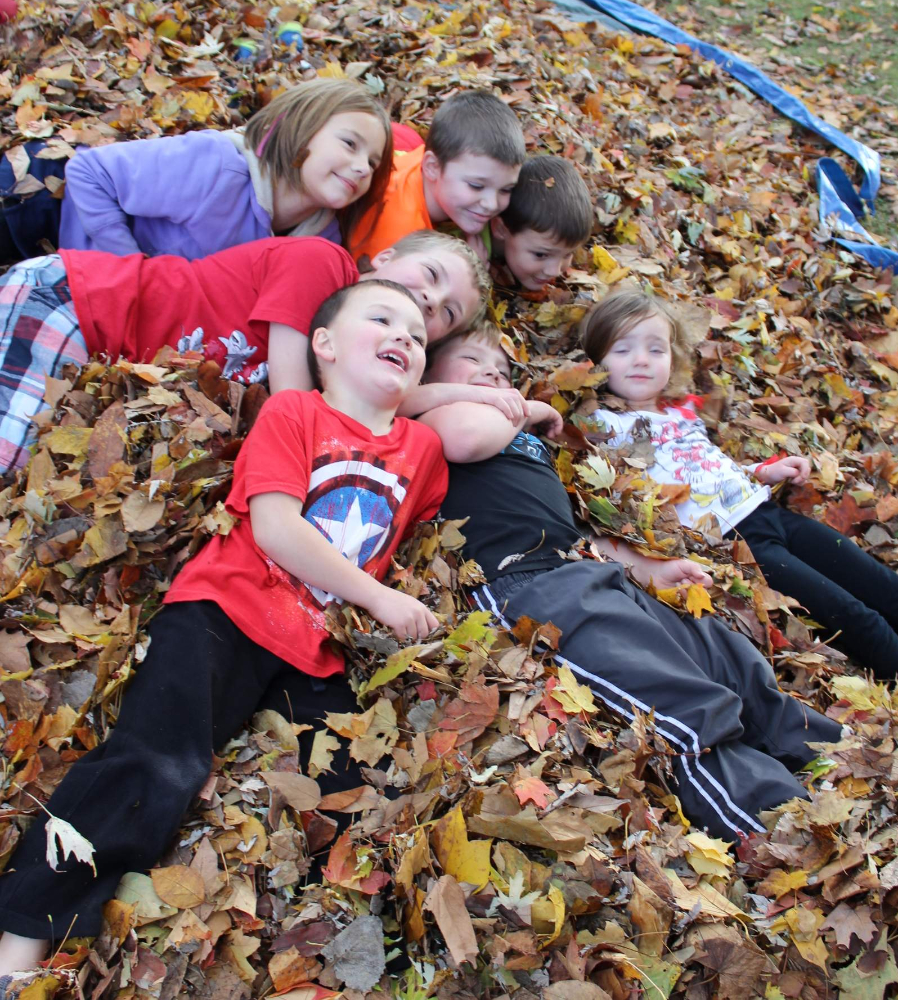
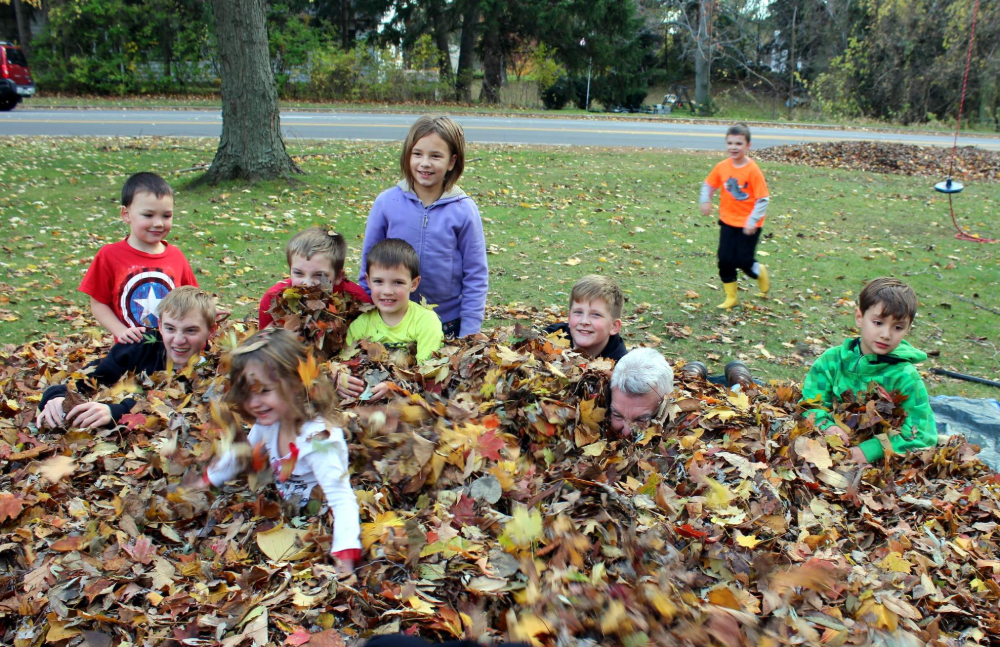
As the leaves are just beginning to fall with conviction, both the Town and Village of Webster are ramping up their leaf pick-up schedules.
Here’s the information in a nutshell for the town, taken from the Town of Webster website:
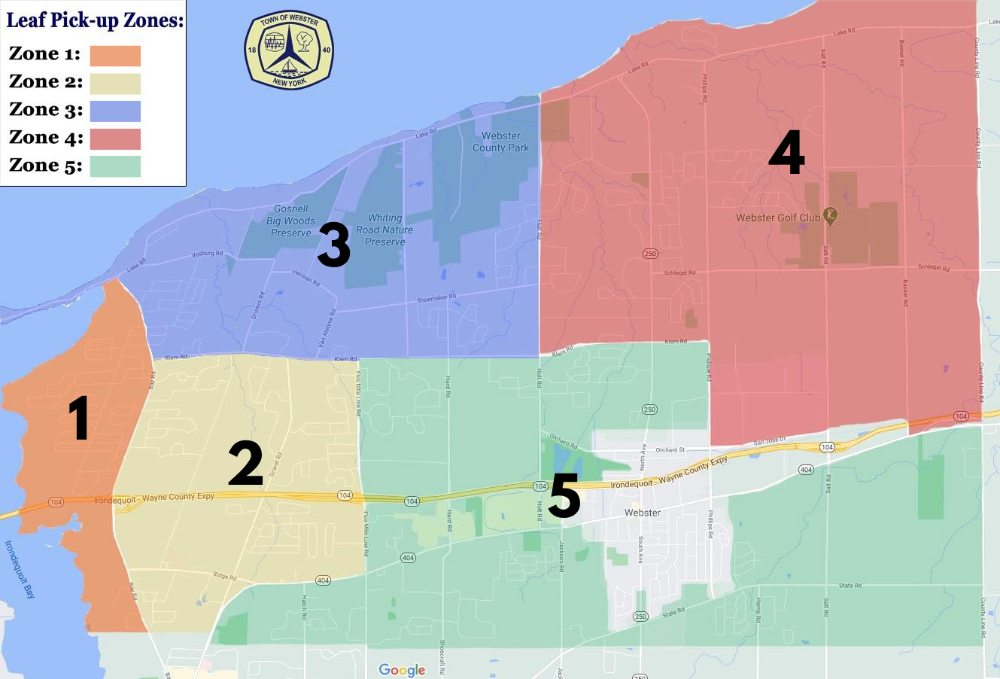
Leaf pick-up began last Friday, with limited crews on the west side of town (Zone 1). It will proceed through five zones (in numerical order) toward southeastern Webster and the county line. How quickly they get through all the zones will depend on the weather conditions and how many leaves have fallen. Subsequent rounds will be completed as necessary.
The town hasn’t yet published a date when they expect to complete the collection. You can check the Town website for updates. You can also check the map to see which zone you’re in.
The Village of Webster leaf collection is also underway. Crews will take regular passes through the village until the beginning of December, or until the first heavy snowfall, whichever comes first.
For both the town and village collections, please remember:
- Place leaves at the edge of your lawn
- Please do not place leaves in the roadway, gutters, or drainage ditches
- Do not bag the leaves
- Do not place brush, rocks, wood, plastic, or other foreign material with your leaves
Books and flowers
A reminder that the Friends of the Webster Public Library will host their next Book Sale from Oct. 21 through 24.
The sale begins on Wednesday, Oct. 21 from 4 to 7 p.m., open to members of the Friends. A Vintage Book Sale will also be held at this time for the general public. The sale opens up to everyone on Thursday Oct. 22 from 9 a.m. to 7 p.m., Friday Oct. 23 from 10 a.m. to 4 p.m., and Saturday Oct. 24 from 10 a.m. to noon. On Friday and Saturday you can fill a bag with books for just $5.
Plus, the Friends will also be selling Kittelberger’s Bouquet Cards, from Oct. 21 through Nov. 3.
Drug Take-Back Event
Webster Health and Education Network (WHEN) will host a DEA National Drug Take-Back event on Saturday, Oct. 24 from 10 a.m. to 2 p.m. at the Webster Town Court, 1002 Ridge Rd. This will be a drive-through event so you don’t even have to get out of your car. Registration is not required, but if you register you’ll get a reminder via email about the event. You can register and get more details here.
The event is being held in partnership with the Town of Webster and the Webster Police Department. Its goal is to help residents prevent the misuse of potentially dangerous unused, unwanted, or expired prescription and over-the-counter medications by safely disposing of them.
WHEN is a nonpartisan, nonprofit organization serving Webster families for 30 years. Research shows that the longer a young person waits before trying drugs or alcohol, the less likely they are to become addicted later in life. WHEN works to delay, decrease, and prevent substance use by underage youth.
From the Webster Recreation Center
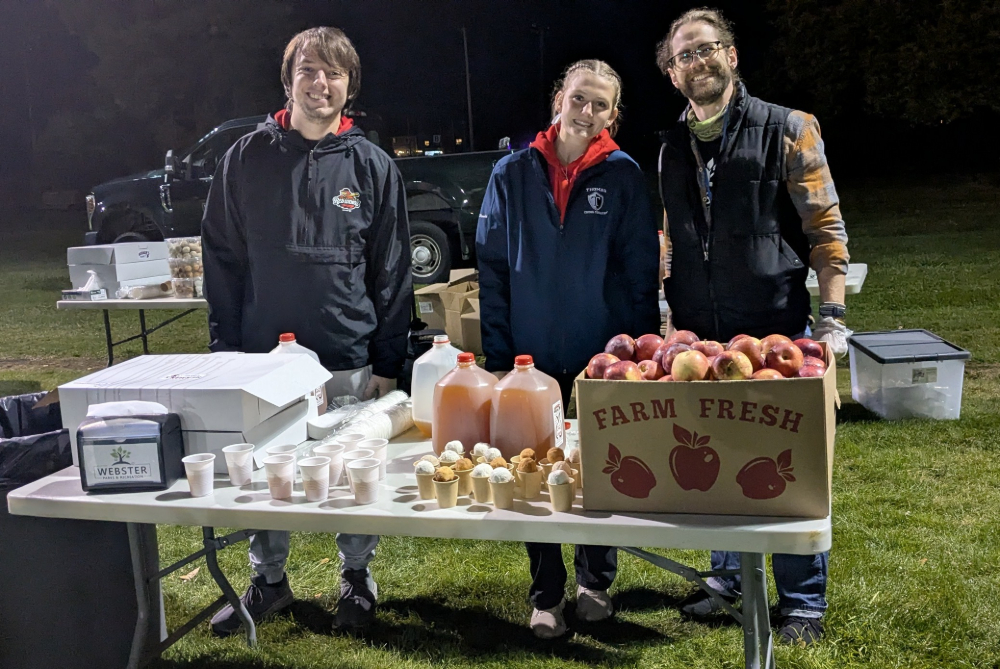
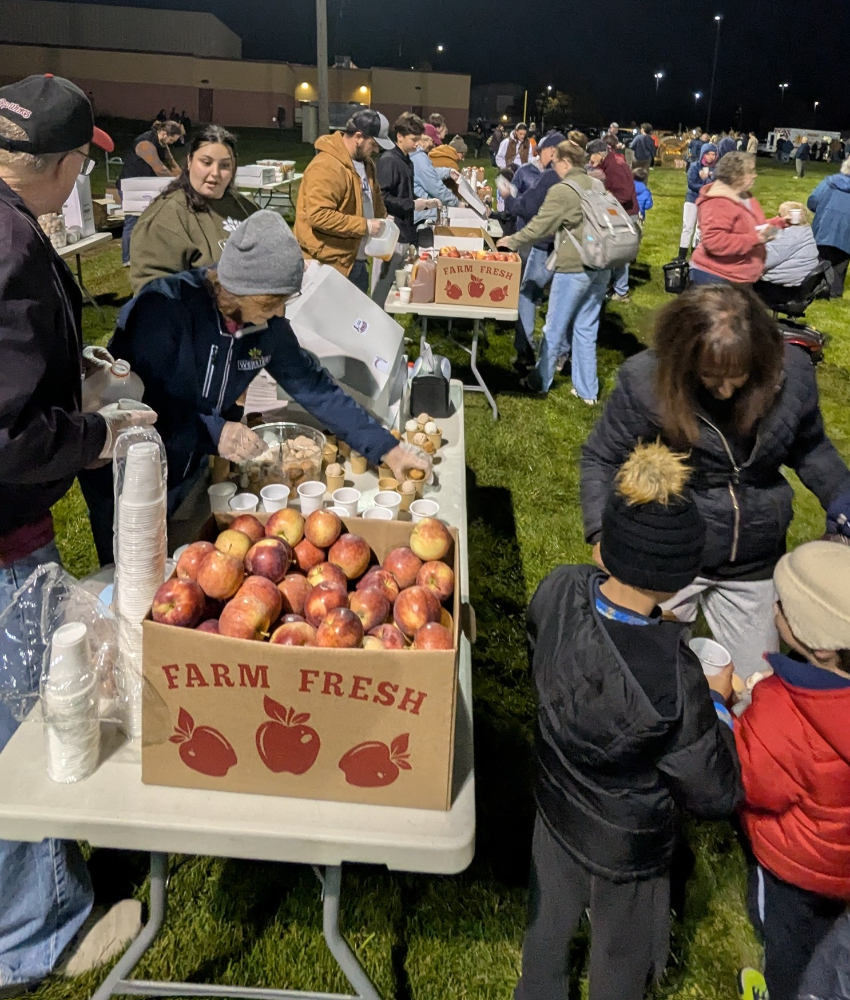
There’s always so many great events going on at the Webster Recreation Center (including this weekend’s Pumpkins on Parade) that I really can’t easily mention them all, but here are a few highlights in the next few weeks:
The first is a visit by CarFit on Monday, Oct. 26. CarFit is a free educational program developed by the American Society on Aging, in collaboration with AARP and the American Occupational Therapy Association.
Trained volunteers will be on site to offer older adults the opportunity to check how well their personal vehicles “fit” them and provide guidelines to enhance their safety as drivers. It takes about 20 minutes and looks at things like adjustments to your car’s mirrors, steering wheels, seats, etc., to maximize safety.
The event will be held from 12:30 to 3 p.m. in the smaller parking lot adjacent to the Rec Center, 1350 Chiyoda Drive. There’s no charge and no appointment is necessary. Just drop in.
Craft show to benefit WSPS
The Webster Association of Senior Program Supporters (WSPS) is hosting an indoor craft sale on Saturday Nov. 7 from 10 a.m. to 3 p.m. at the Webster Recreation Center, 1350 Chiyoda Dr. They’re expecting more LOTS OF vendors, so make sure to add this one to your holiday shopping calendar.
WSPS is a group of volunteers who provide transportation for retirees and disabled residents who live within the Webster School District. They help residents get to and from medical and dental appointments, and provide rides to pharmacies, banks, barbers, hairdressers and tax preparation services. Let’s all stop by and support their efforts.
And this looks like fun.
On Friday, Nov. 13, everyone is a suspect when the Rec Center hosts a Murder Mystery Dinner Party, beginning at 5:30 p.m.
$30 per person includes a chicken parmesan dinner and interactive murder mystery “mayhem.” Click here to register for this 55+ activity.
… and stuff from the museum
The Webster Museum is pleased to again offer 12 Months of Flowers cards from Kittelberger Florist! Purchase a “12 Months of Flowers” card at the museum for $50 between November 23 and December 12, and receive one bouquet, each month, for 12 consecutive months.
Bouquets must be picked up each month at Kittelberger Florist, 263 North Ave, Webster. Kittelberger cards can be purchased from any museum volunteer, or during museum open hours: Tuesdays, Thursdays, and Saturdays from 2 to 4:30 p.m. and during the Village of Webster Winter Wonderland celebration on Saturday, December 5 from 2 to 6 p.m. Payment is by cash or check only; checks must be made payable to Webster Museum.
Speaking of the museum, they’re starting to plan for this year’s Tree Festival, also held in conjunction with Winter Wonderland festivities on Dec. 5.
Museum volunteers are currently taking sign ups to decorate one of their 20 miniature Christmas trees, which are distributed throughout the museum for the holiday season. You can sign up as a community organization, a school group, a family or just yourself. Trees and lights are provided. Creativity and ornaments are up to you.
Visitors to the museum will be voting on their favorites, and prizes will be awarded. The museum is also looking for musical groups to perform during the festival. If you’d like to decorate a tree or volunteer your musical talents for this much anticipated event at the Webster Museum please call Gwen Hoffman @ 585-738-6221.
Still speaking of the Museum…
On Saturday, Nov. 7, elementary school-aged children are invited to hear a story and learn a bit of history from Mrs. Nesbitt, a retired elementary school teacher. Mrs. Nesbitt will lead a discussion about the historic one-room school house located at the back of the museum, and teach children about communication methods over the years, including the telephone.
The event happens on Saturday, Nov. 7 from 2:30 to 3:30 p.m. at the museum, 18 Lapham Park in the Village of Webster. Parents must remain in the museum during the activities.
Women’s Club announces November meeting
Kathy Miller from Seniors Helping Seniors will be the featured speaker at the next meeting of the Women’s Club of Webster, scheduled for Thursday, Nov. 19 at Proietti’s Restaurant, 980 Ridge Rd., Webster. Kathy will speak about how her agency provides non-medical care to seniors by employing active seniors to assist others with daily tasks, companionship and transportation.
Social time begins at 11:15 a.m., followed by a business meeting at noon, lunch at 12:30 p.m. and Kathy’s presentation at 1 p.m. Lunch will feature a variety of pizzas, salad, beverages and dessert. Cost is $22. Please mail your check by Nov. 5, made out to the Women’s Club of Webster, to Kim Tauriello, 303 Phillips Rd., Webster, 14580.
New members are always welcome, and warm camaraderie is included at no charge!
* * *
email me at missyblog@gmail.com. “Like” this blog on Facebook and follow me on Instagram and Threads (@missyblog)
You can also get email notifications every time I post a new blog by using the “Subscribe” link on the right side of this page (or all the way at the bottom of the page if you’re on your phone).
(posted 10/20/2026)
Tags: drug take-back, Missy Rosenberry, town of webster, Village of Webster, Webster Health and Education Network, Webster museum, Webster NY, Webster Public Library, Webster Recreation Center, Women's Club of Webster